Asset

Survey of Existing Housing in the Commonwealth of Dominica

Read the report

Image courtesy of Michael Lees

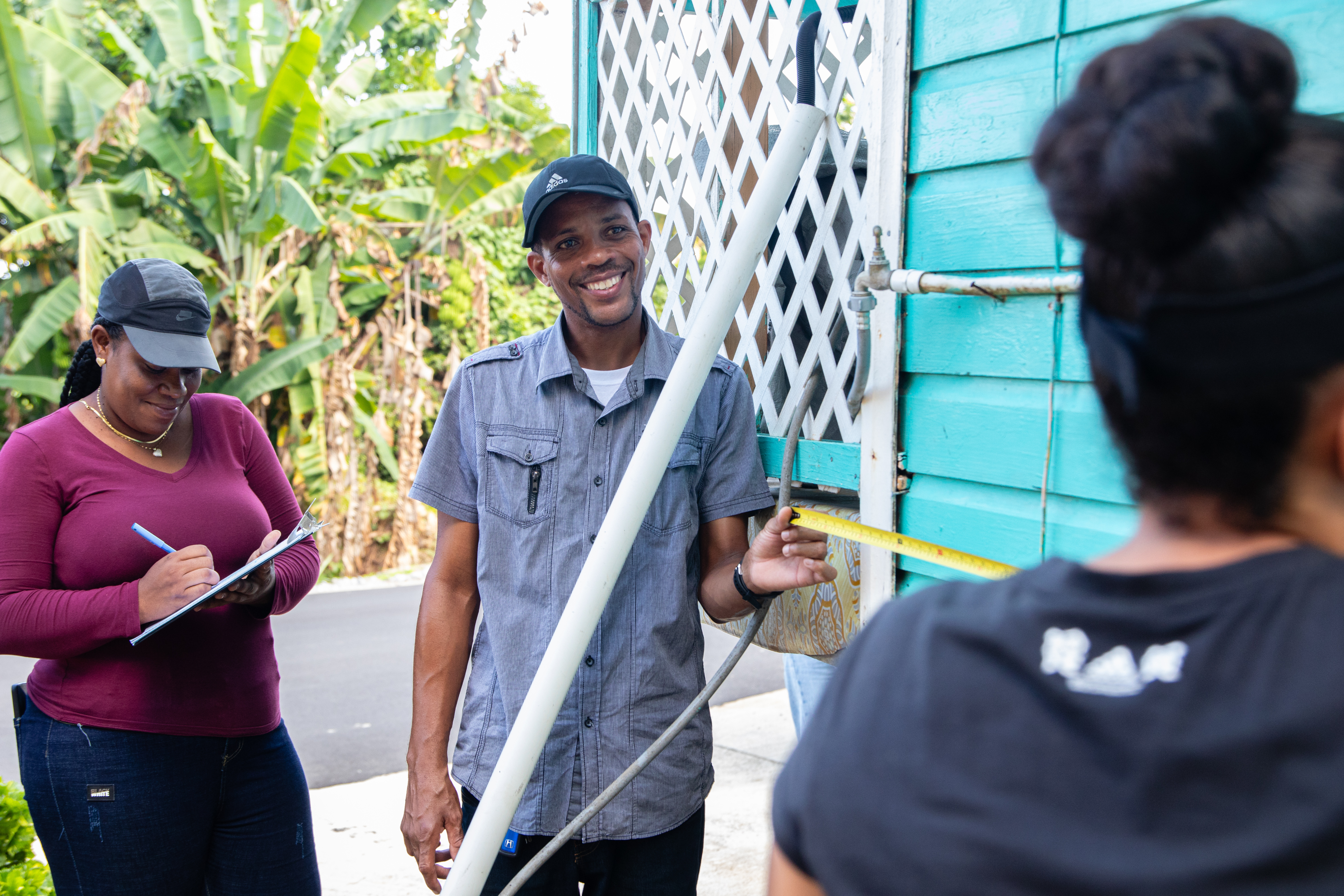
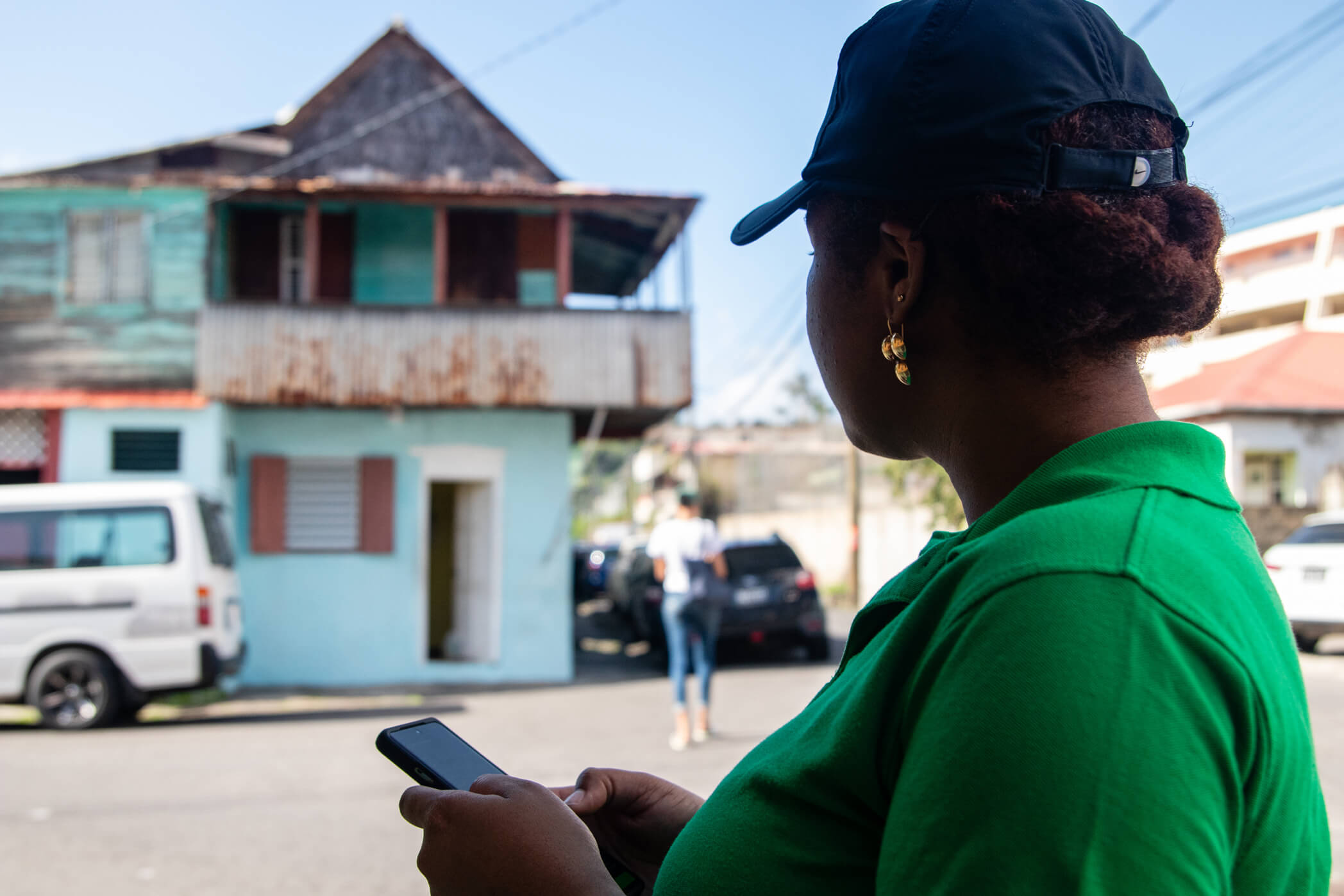
The Ministry of Housing, in partnership with Build Change and with funding from the Coalition for Disaster Resilient Infrastructure and the Green Climate Fund, has conducted an extensive survey of 527 existing houses in Dominica. The survey provides a comprehensive and systematic assessment of current housing vulnerability to natural and climate hazards. The results highlight the progress and gaps in resilient housing since Hurricane Maria, as well as set the baseline against which the success of housing programs can be measured.

Study completed in partnership with

Asset
AssetCDRIGreen Climate Fund

Progress towards resilient housing since Hurricane Maria

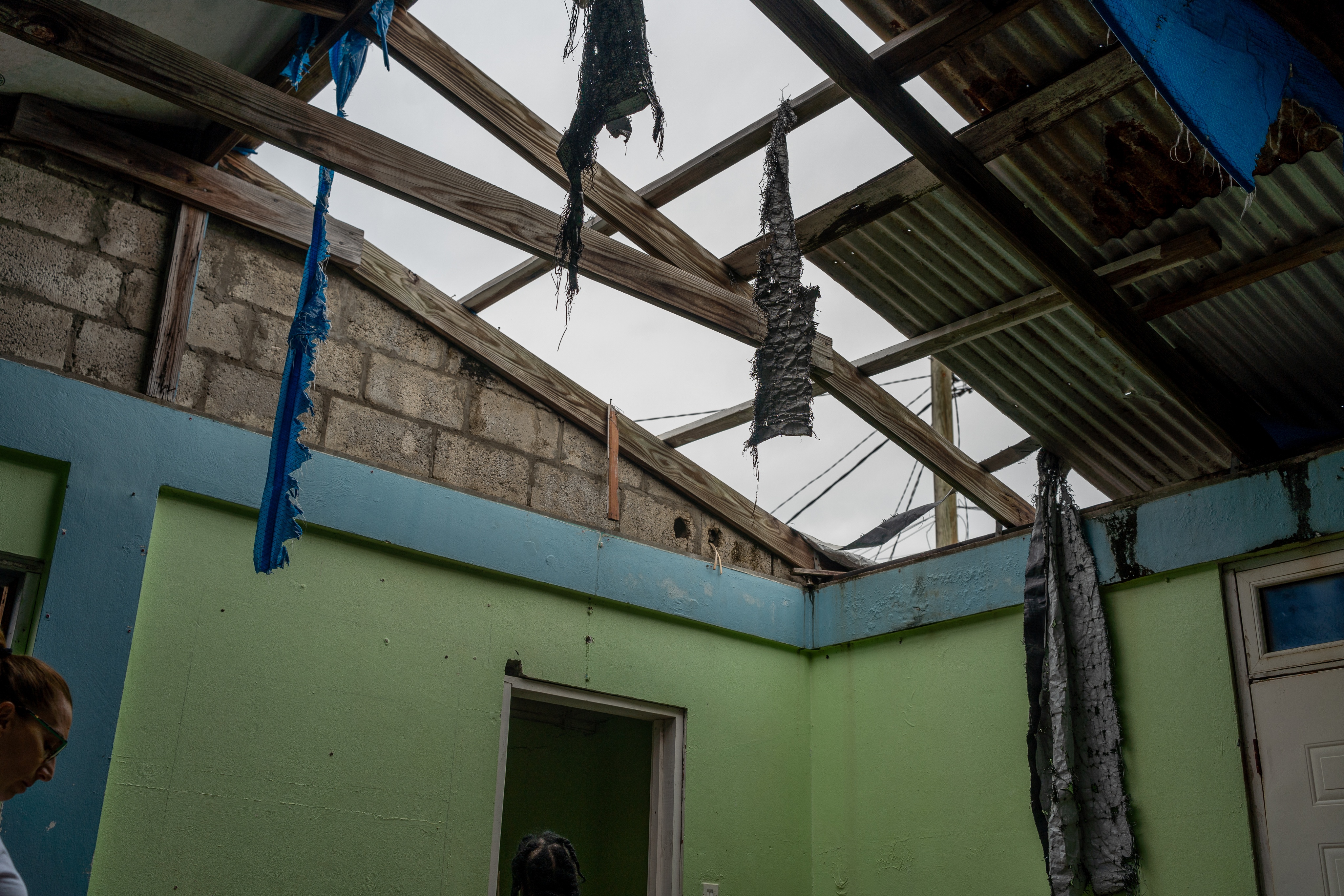
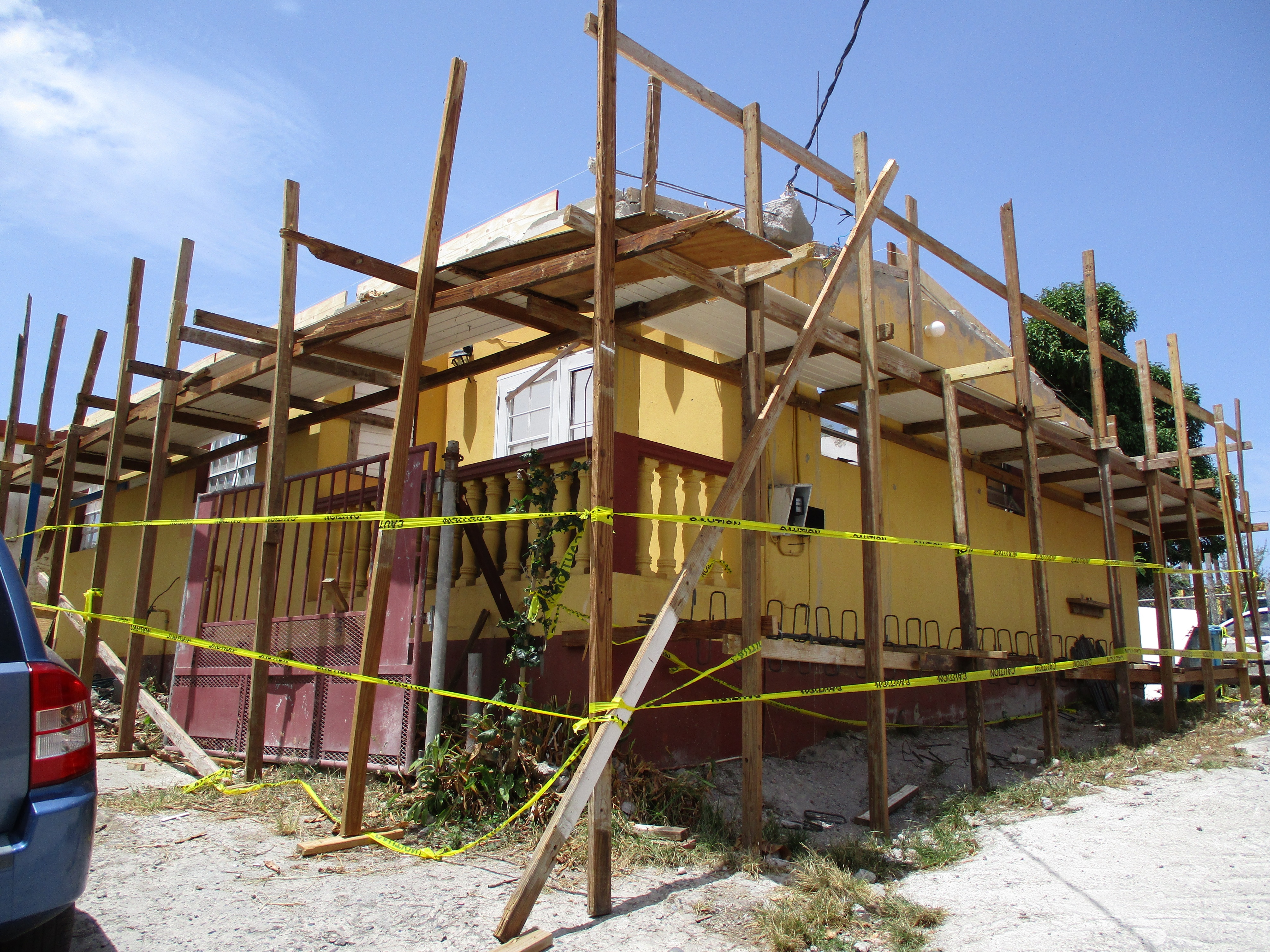
Significant progress towards a resilient housing stock has been made since Hurricane Maria. Comparing these findings against the 2017 post-Hurricane Maria Building Damage Assessment highlights that significant progress, a 14% reduction, has been made in reducing vulnerability in the housing sector. However, this reduction is largely as a result of new construction of masonry houses with slab roofs. Comparing the BDA data for timber houses and galvanize roofs, there is little change in the physical vulnerability of the existing housing stock. A targeted approach for retrofitting existing housing is needed.

Key survey findings

There is a significant opportunity to reduce disaster risk with housing retrofits focused on structural improvements to roofs and timber houses, particularly for the poorest families:

63%
of roofs are highly vulnerable
89%
of timber houses are
highly vulnerable

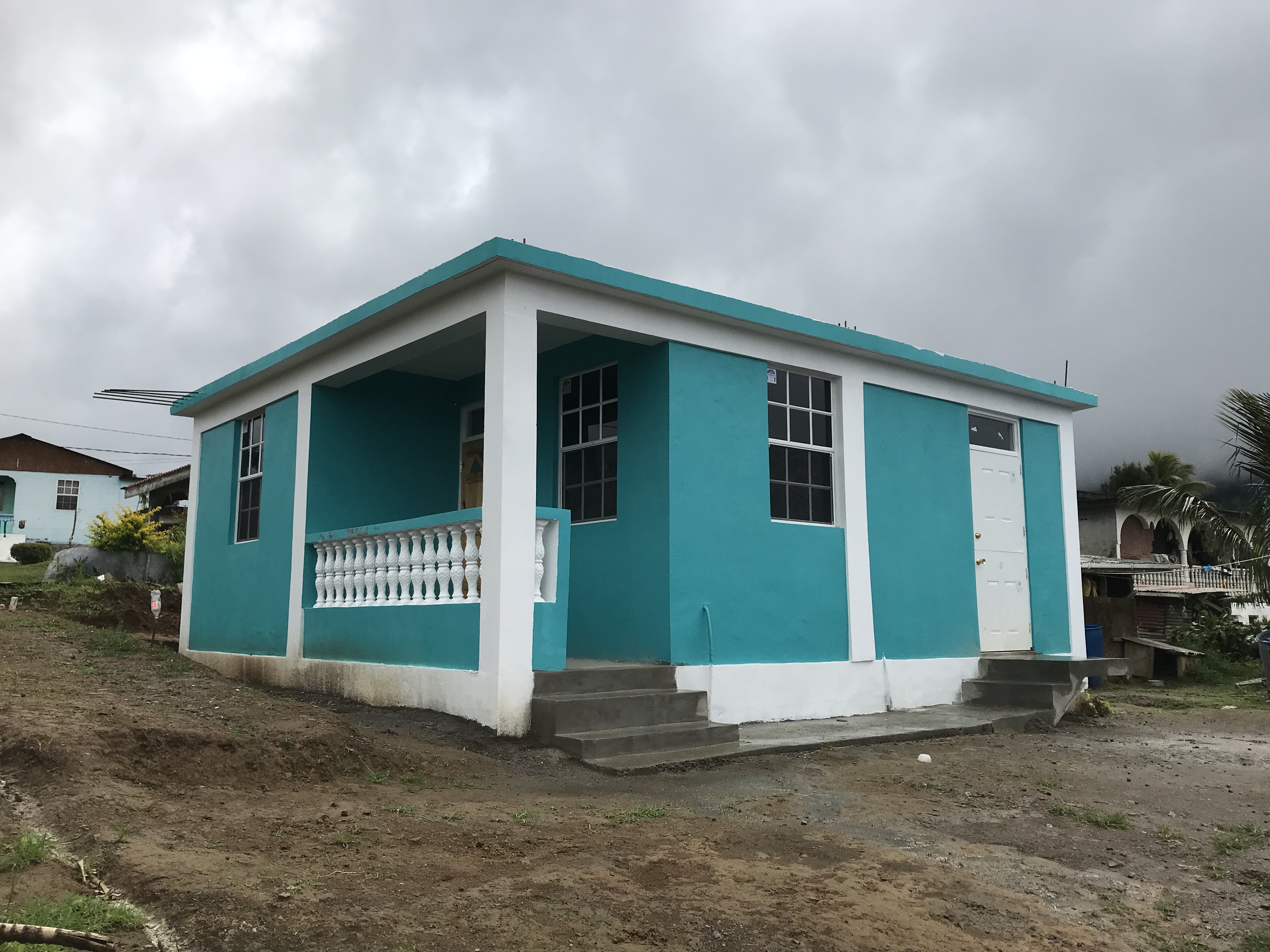
While many roofs and timber homes were found to be vulnerable, our research indicates that masonry walls and slab roofs did not show high levels of vulnerability.

Asset
No
masonry walls or slab roofs were found to be highly vulnererable
Resilient Housing

78%

of galvanize roofs are highly vulnerable
Key issues include:
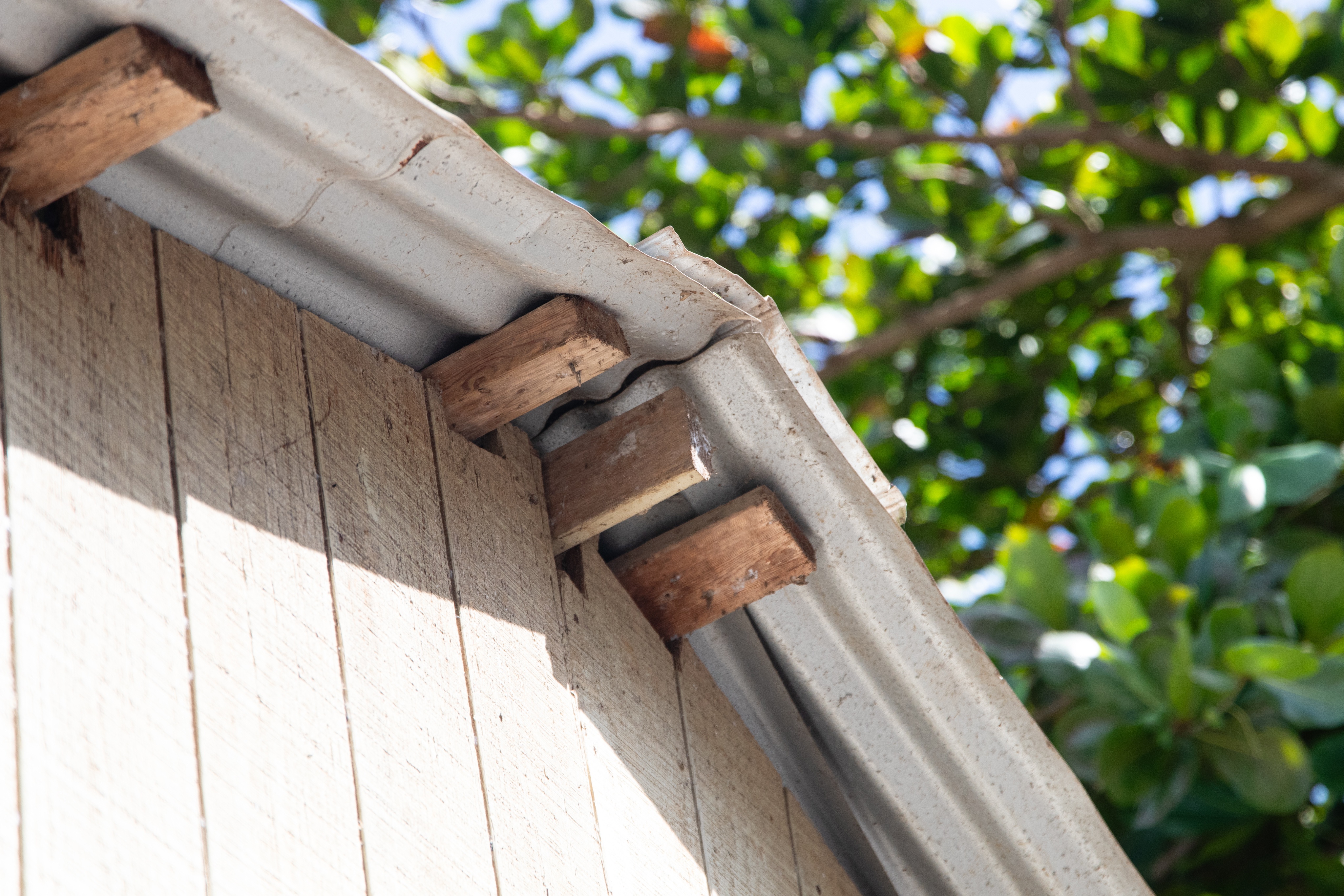
Weak timber structure: Inadequate size and spacing of structural members-rafters, purlins. and trusses.
Inadequate connections between purlins and rafters or trusses.
Inadequate connections between roof elements (rafters or trusses) and the ring beams above walls.
Roof Vulnerability Image

43%

of galvanize roof coverings are highly vulnerable
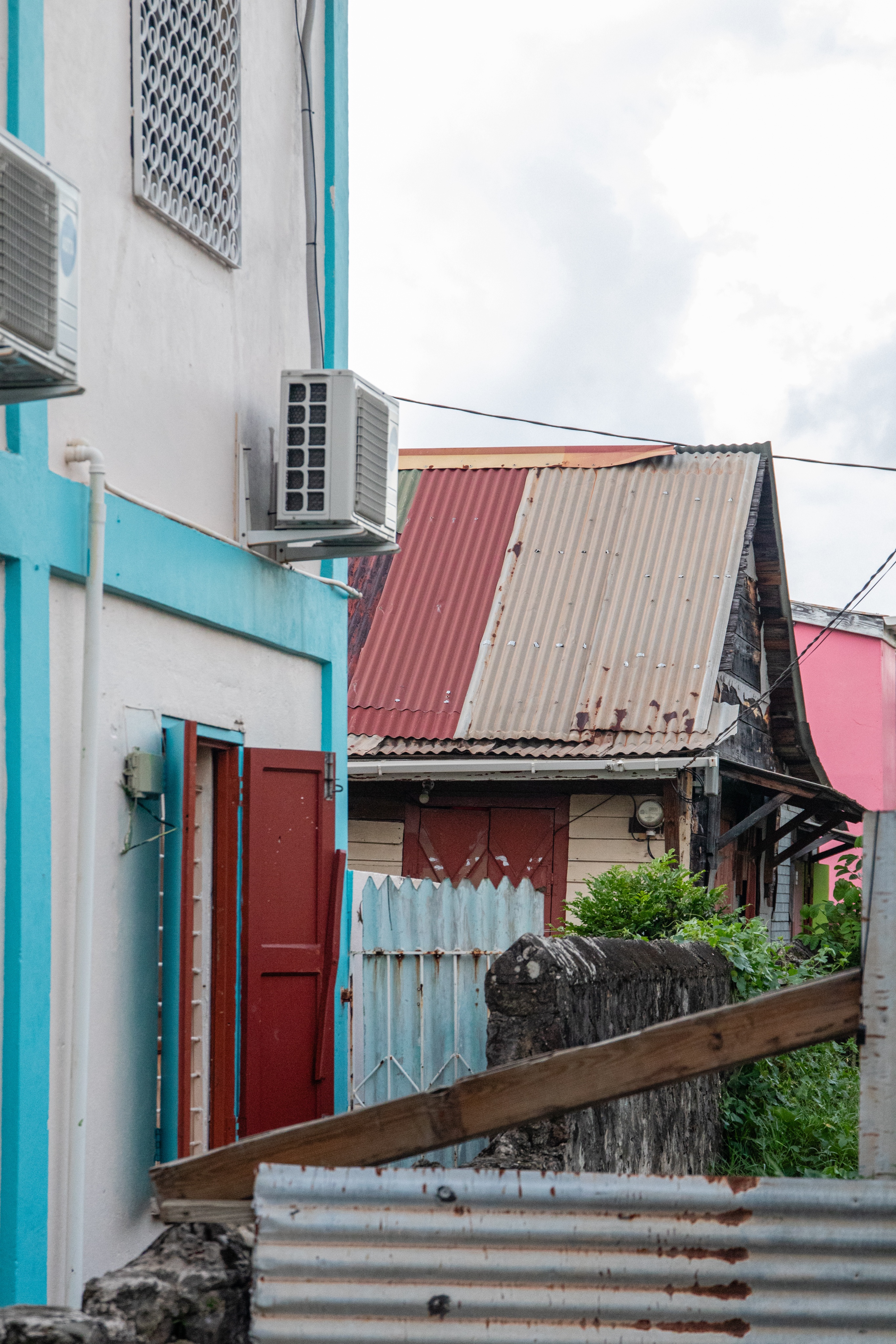
Roof coverings:
Poor condition of covering (galvanize sheets: inadequate thickness, rusted, dented, perforated; shingles: rotten, missing)
Inadequate connection of covering to roof framing (inadequate spacing of screws, particularly at eaves and ridges)
Inadequate connections between roof elements (rafters or trusses) and the ring beams above walls.
Roof drainage:
Inadequate gutters and downpipes, inadequate flashing particularly at roof connections

89%

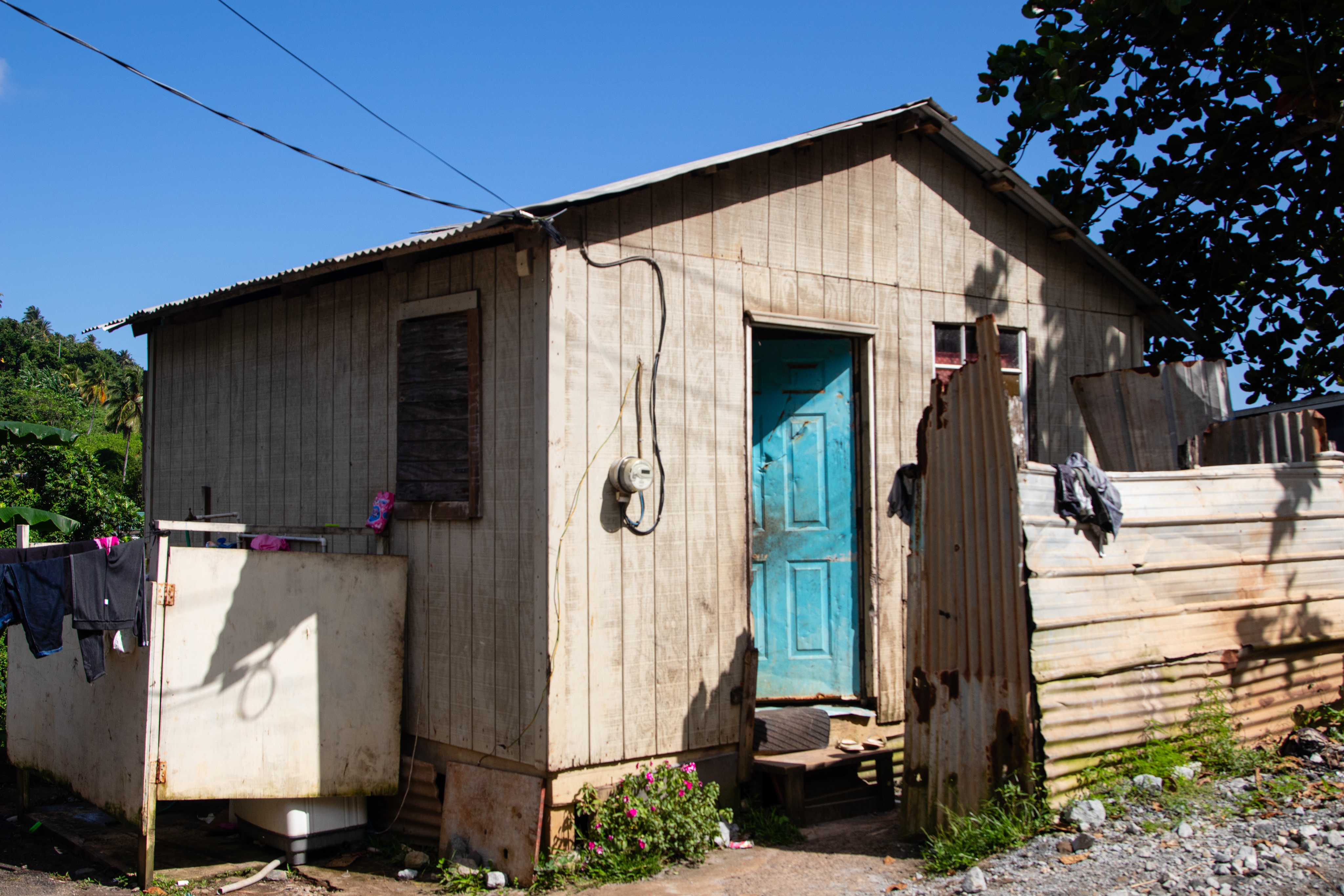
of timber houses are highly vulnerable
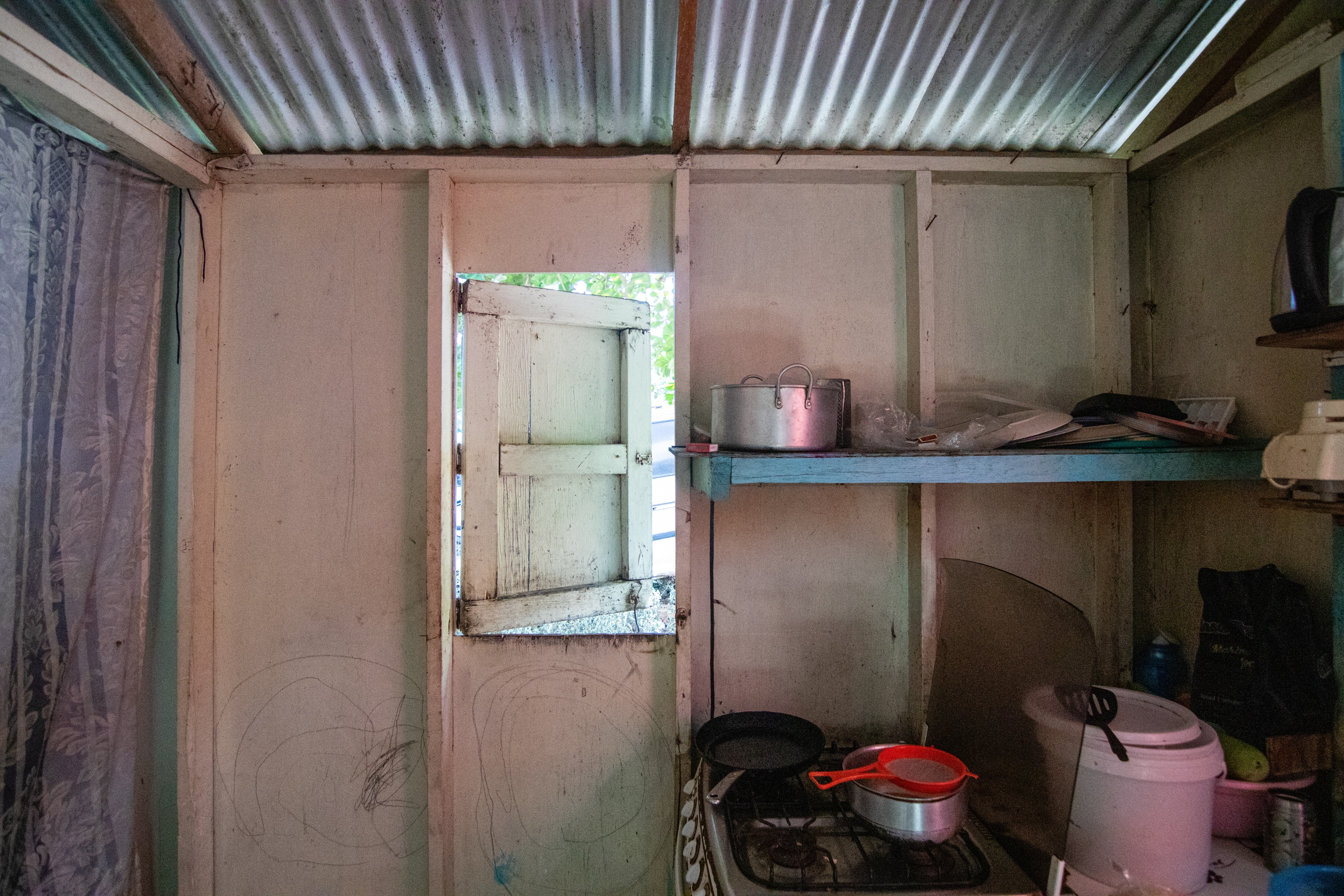
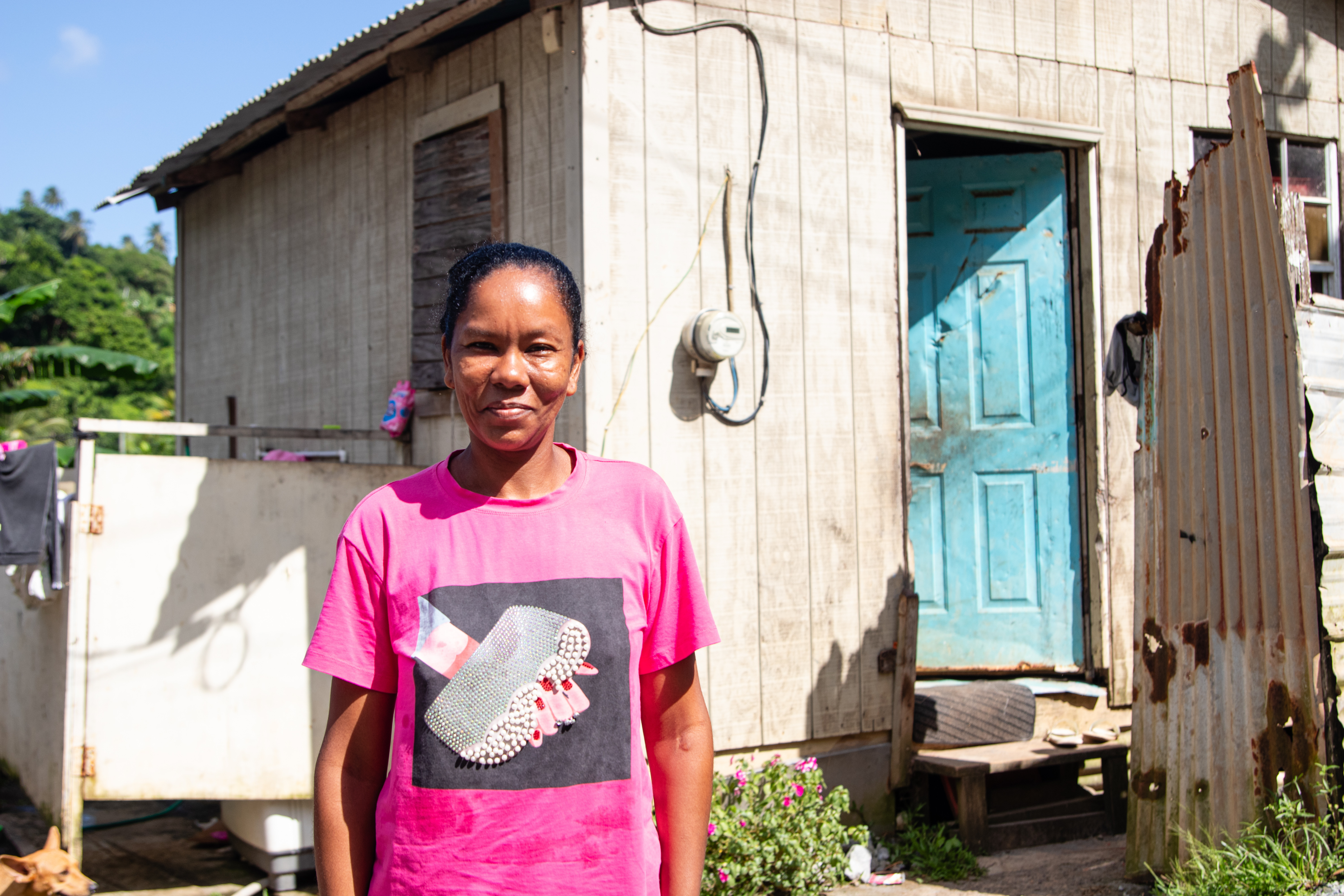
For households with increased socio-economic vulnerability, the number of houses with high physical vulnerability increases to 100%, all houses. Key issues include:
Wall framing: excessive spacing of studs, absent double studs at wall intersections and ends, lack of double top and sill plates.
Wall cladding: Inadequate thickness, insufficient fixing to framing, excessive deterioration of plywood.
Connections: In particular walls to foundations (insufficient hold downs and shear bolts) and roof to walls.
Roof Vulnerability Image
socio-economic vulnerabilitySocio Economic Vulnerability

Access full survey data (XLSX file) All personal identifying information has been redacted.

Image of Houses

Recommended priorities

LEARN MORE
How to retrofit your home

Homeowner Awareness Manual

Data

Dominica Home Retrofit Manual

Data
Coming Soon!

Retrofit Construction Supervision Manual

Data
Coming Soon!
GET IN TOUCH
Have any questions or feedback?
Contact us